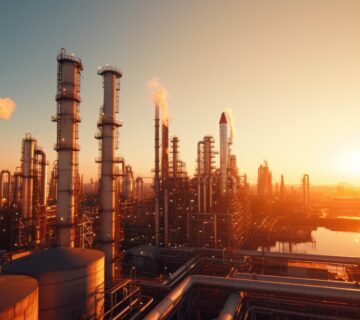
Trading refined petrochemicals is a vital component of the global economy, supporting industries ranging from plastics and pharmaceuticals to automotive and agriculture. The refined petrochemical trade not only drives industrial growth but also plays a critical role in international commerce.
The Role of Petrochemical Trading in the Economy
Refined petrochemicals such as ethylene, propylene, and benzene are fundamental building blocks for manufacturing various essential goods. The trade of these chemicals enables countries to develop strong industrial sectors and meet the increasing global demand for high-performance materials.
Key Economic Impacts
-
Industrial Growth and Supply Chain Development
-
Petrochemical trade ensures a steady supply of raw materials for industries like packaging, textiles, and electronics.
-
It supports the global supply chain by enabling cost-effective production of consumer and industrial goods.
-
-
Job Creation and Investment Opportunities
-
The refined petrochemical sector provides employment across multiple industries, from production and logistics to trading and distribution.
-
Foreign investments in petrochemical trading hubs contribute to regional economic development.
-
-
Global Market Competitiveness
-
Countries with a strong petrochemical trading network can achieve economic stability and become competitive players in international trade.
-
Advances in refining technologies have improved efficiency, leading to increased profitability in the sector.
-
Conclusion
Trading refined petrochemicals is more than just a business; it is a key economic driver that fosters industrial growth, enhances global competitiveness, and creates job opportunities. As demand for advanced materials continues to rise, the petrochemical trade will remain a cornerstone of the modern economy.