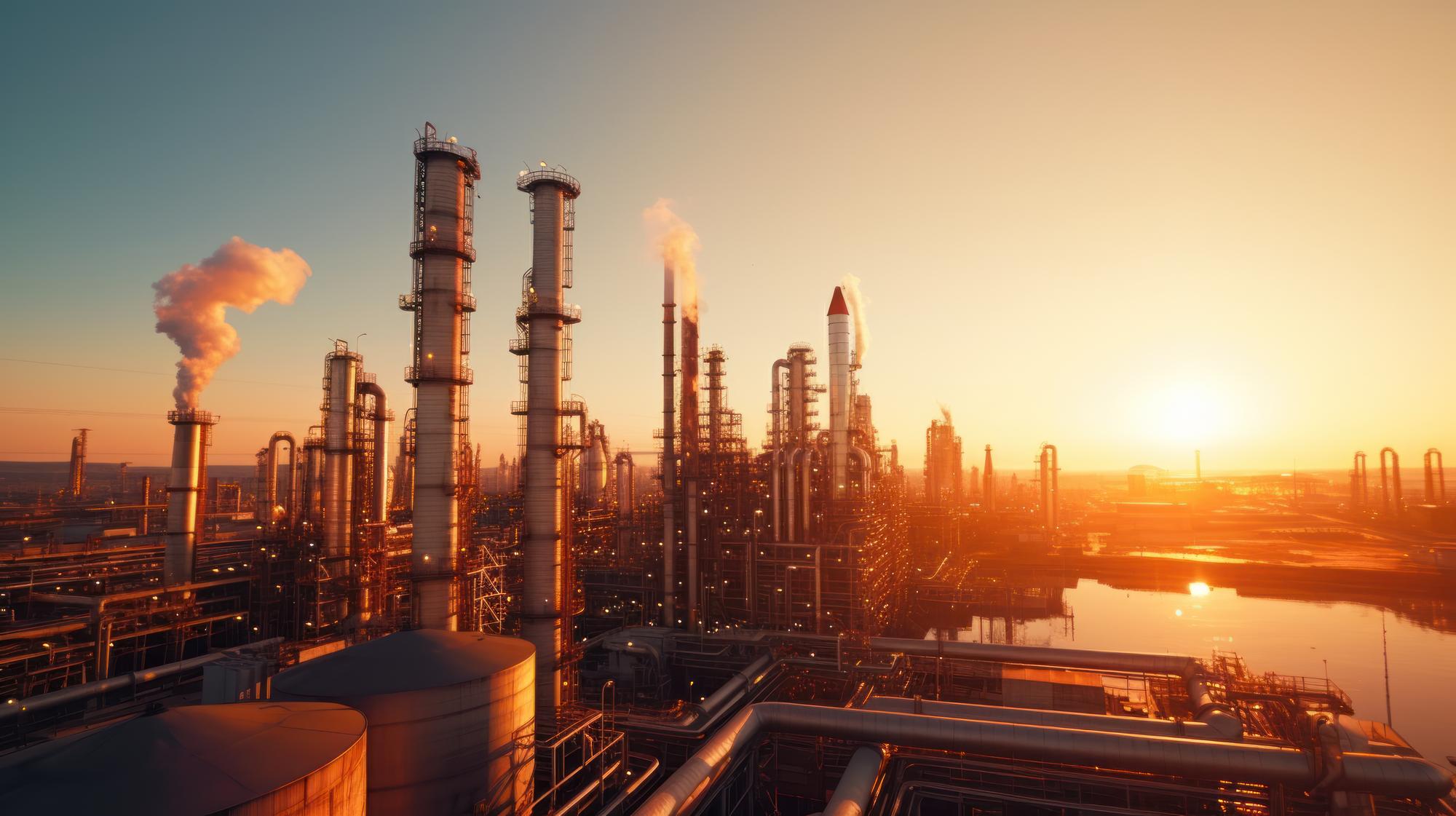
While trading refined petrochemicals fuels industrial progress, it also presents environmental and regulatory challenges. Striking a balance between economic benefits and sustainability is essential to ensure responsible trade practices.
Environmental Challenges in Petrochemical Trading
Petrochemical production and trade contribute to carbon emissions, waste generation, and potential chemical hazards. The transportation of refined petrochemicals also poses risks of spills and pollution, requiring stringent safety measures.
Key Regulatory and Environmental Considerations
-
Emissions Control and Carbon Footprint
-
Governments and international bodies are imposing stricter regulations on petrochemical emissions.
-
Companies are investing in cleaner refining technologies to minimize environmental impact.
-
-
Regulatory Compliance and Trade Barriers
-
Many countries enforce trade restrictions on petrochemical products to meet environmental standards.
-
Compliance with international safety protocols is necessary to facilitate smooth cross-border transactions.
-
-
Sustainable Alternatives and Market Adaptation
-
Innovations in bio-based chemicals and recycling initiatives are reshaping the petrochemical trade.
-
Traders and manufacturers are adapting to sustainable practices to align with global environmental policies.
-
Conclusion
While trading refined petrochemicals remains essential for industrial growth, addressing environmental concerns and regulatory compliance is crucial. The industry must embrace sustainable solutions to ensure long-term viability while maintaining global trade efficiency.